Frame the commercial need
Confirm who the product is for, where it will be sold and how focused first run supports the range.

Buyer-focused handbag development
Planning guidance for smaller first runs within the user-authorized MOQ range and project-specific constraints.
Commercial starting point
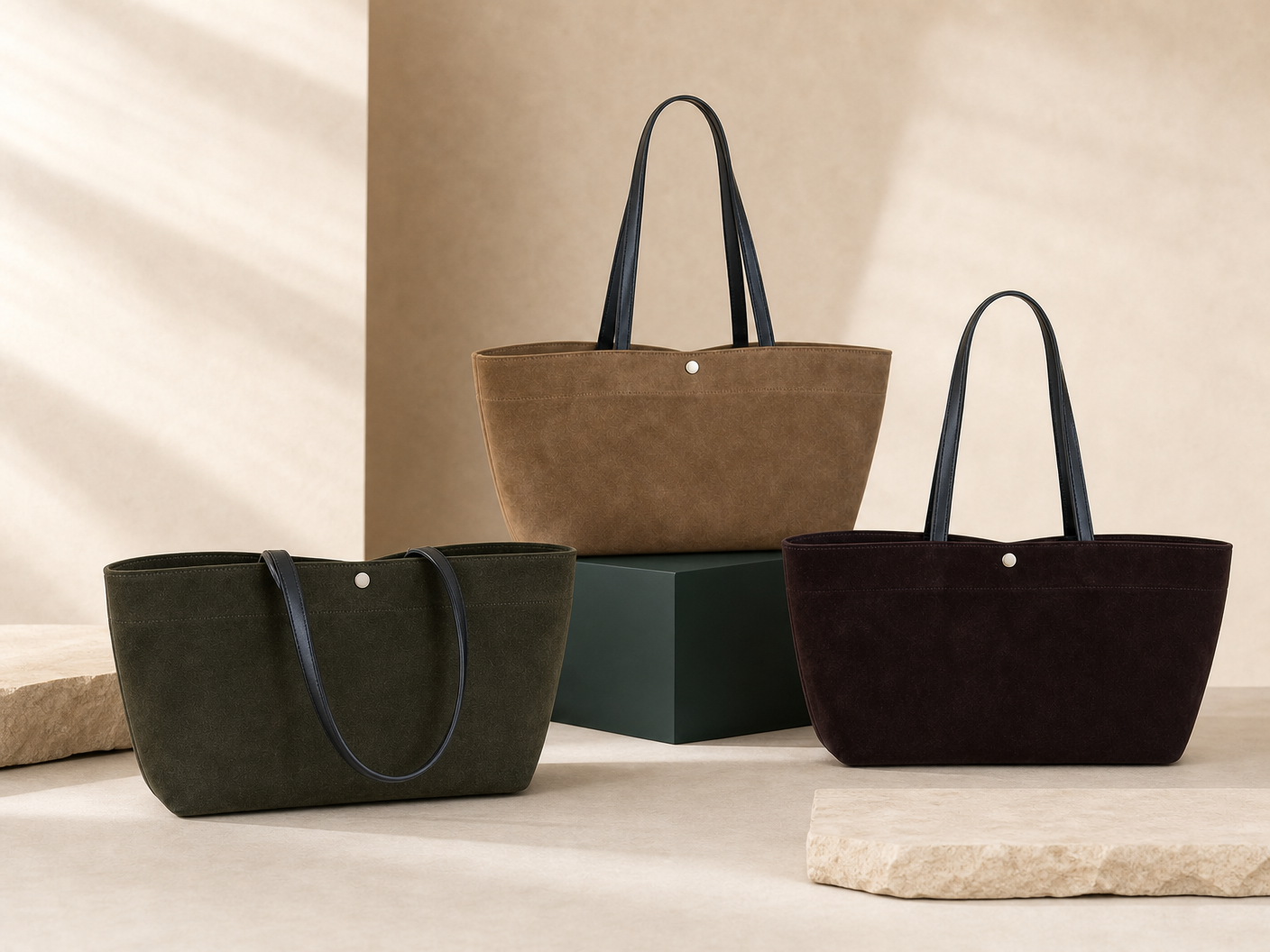
Low MOQ Handbag Development should begin with one or two core silhouettes, a controlled color range and shared materials or hardware. That commercial frame gives suitable production resources enough information to evaluate feasibility for brands testing a focused first run without opening an unnecessarily broad assortment.
The main planning risk is that extra colors, custom components and fragmented style quantities can each push a small project below practical supplier thresholds. Bloomery therefore separates essential product decisions from optional variation before sampling begins.
Decision framework
Use a controlled sequence to turn focused first run into a brief that can be quoted, sampled and approved.
Confirm who the product is for, where it will be sold and how focused first run supports the range.
Separate non-negotiable requirements from optional colors, finishes and components so the first quotation remains comparable.
Use a narrow style-by-color quantity table, approved sample and confirmed shared components to replace subjective feedback with decisions a production team can follow.
Confirm quantities, destination, inspection scope and timing only after the approved standard and open issues are recorded.
Buyer scenarios
These connected routes translate the broader sourcing decision into a more specific assortment, channel or specification context.
Handbag collection development for fashion and apparel brands seeking accessories aligned with seasonal stories.
02Private-label and wholesale-ready handbag planning for boutiques and lifestyle retailers.
03Product-development planning for online brands requiring strong visual differentiation and clear fulfillment packaging.

Approval evidence
A useful approval is more than a visual “looks good.” It records the measurements, materials, construction, function and finish that the next sample or production stage must reproduce.
For this route, the working reference should include a narrow style-by-color quantity table, approved sample and confirmed shared components. Any approved change should update the written record so cost, timing and quality expectations remain aligned.
Catalog evidence
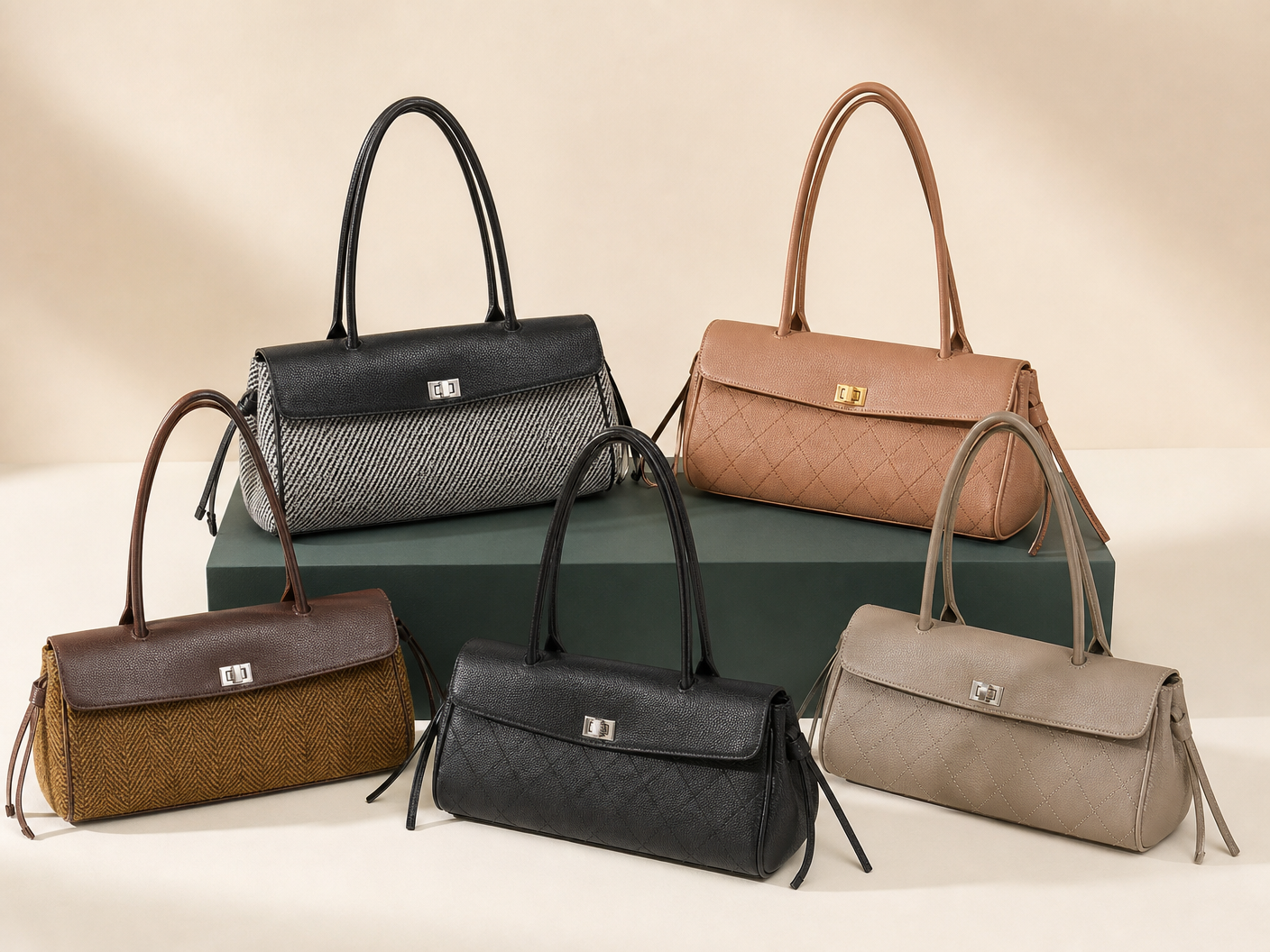
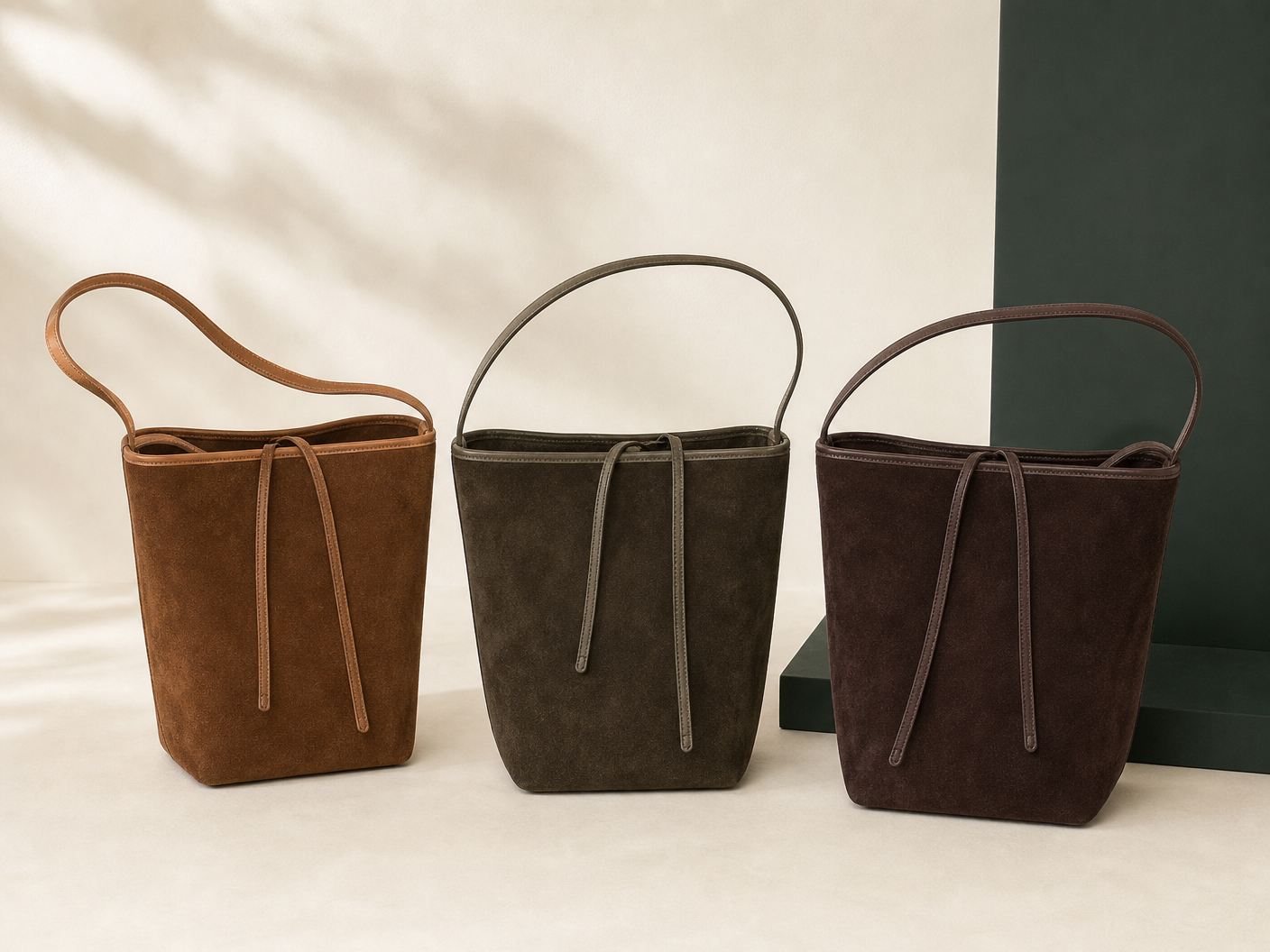
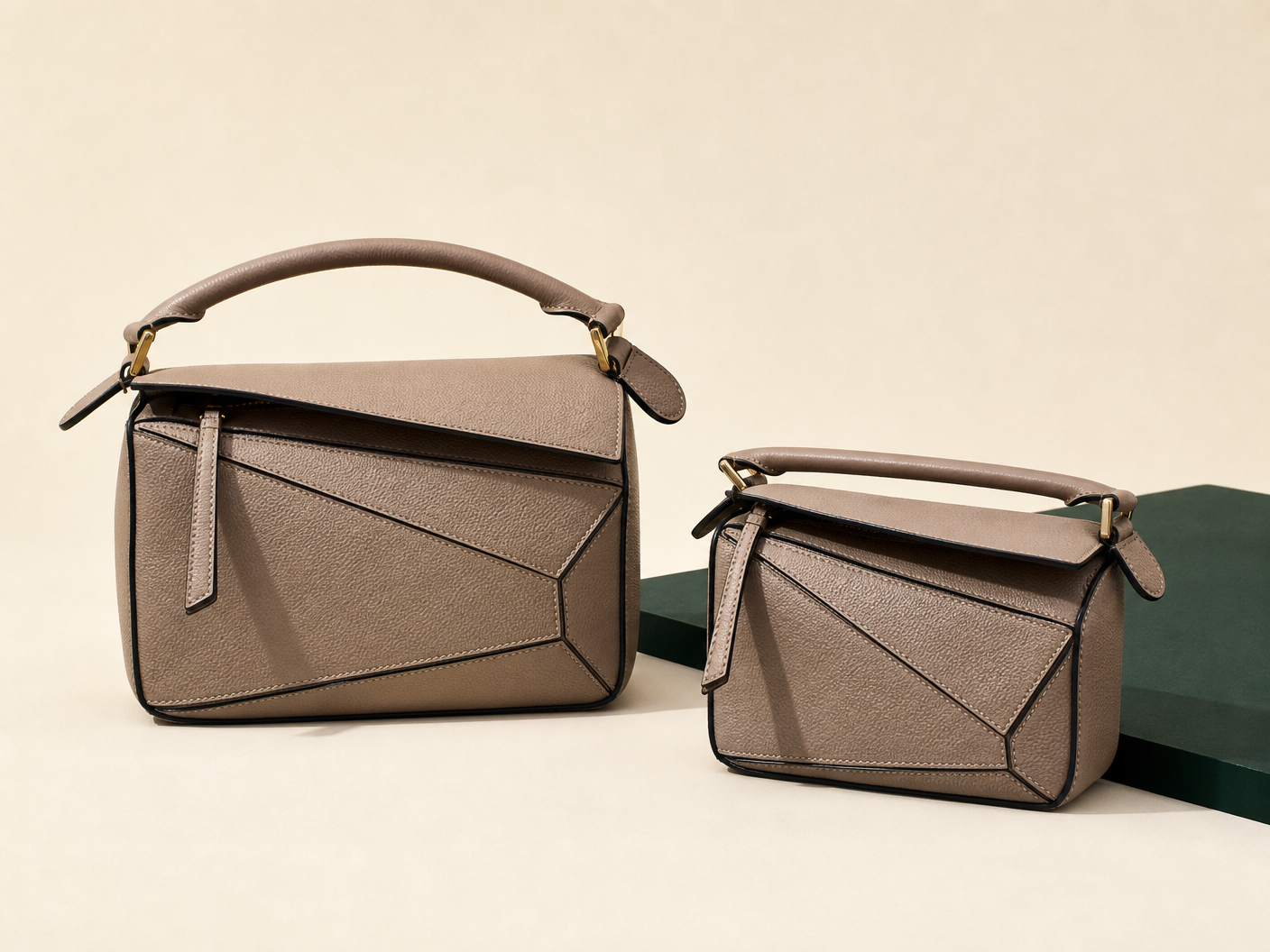
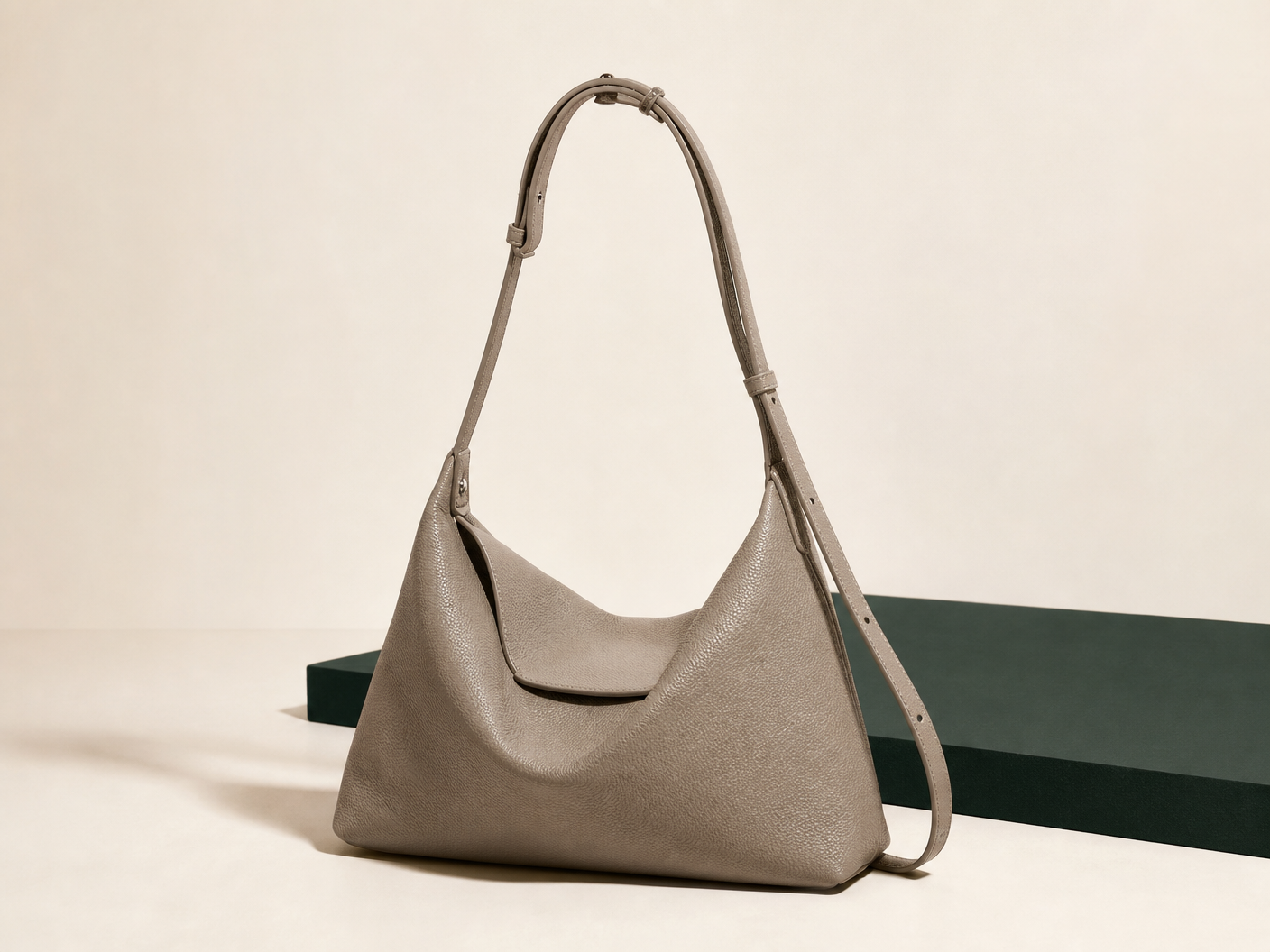
Use these compact references to compare proportion, construction and carry details. They are starting points rather than fixed specifications; material, color, branding and commercial parameters remain project-specific.
 View details
 BLOOM-107
 View details
 BLOOM-201
 View details
 BLOOM-401
 View details
 BLOOM-502
Quotation-ready brief
A useful enquiry lets the development team identify conflicts early and return specific feasibility questions instead of a generic price range.
Describe the buyer, selling channel and reference styles so the team can judge whether the proposed direction fits brands testing a focused first run without opening an unnecessarily broad assortment.
State the choices that materially affect one or two core silhouettes, a controlled color range and shared materials or hardware, including any required dimensions, materials, colors, hardware or brand applications.
Separate must-have requirements from optional variation. This matters because extra colors, custom components and fragmented style quantities can each push a small project below practical supplier thresholds. It also keeps the first feasibility review comparable.
Add quantity by style and color, destination, target timing and the evidence needed for approval—ideally a narrow style-by-color quantity table, approved sample and confirmed shared components.
Buyer questions
These answers define the planning boundary before a project-specific feasibility review.
Start with the fewest silhouettes needed to test the range, then assign color only where it has a clear customer or merchandising role. A style-by-color table makes fragmented quantities visible before supplier review.
Lining, common hardware finishes, standard closures, labels and selected materials may be shared when they suit every style. The goal is to reduce avoidable variation without making distinct products look identical.
It can be reviewed, but a new mold, finish or small component may introduce a separate supplier threshold and development step. Mark custom hardware as essential or optional so a standard alternative can be compared during feasibility review.
Approve the sample, material and color references, branding placement, packaging sequence and the final style-by-color quantity table. Any accepted deviation should be recorded in the same revision used for production coordination.
Identify which style and color could become the repeatable core, and which are limited tests. That distinction helps the team avoid one-off components on likely reorder items and retain the records needed to reproduce them.
Start a conversation
Send target units per style and color, acceptable shared materials or hardware, must-have customization versus optional details, launch date and reorder expectation. Bloomery will organize the next feasibility and approval questions without presenting project-specific parameters as universal promises.
We use only necessary browser storage to remember privacy preferences and support core site functions.