Frame the commercial need
Confirm who the product is for, where it will be sold and how apparel-linked tote range supports the range.
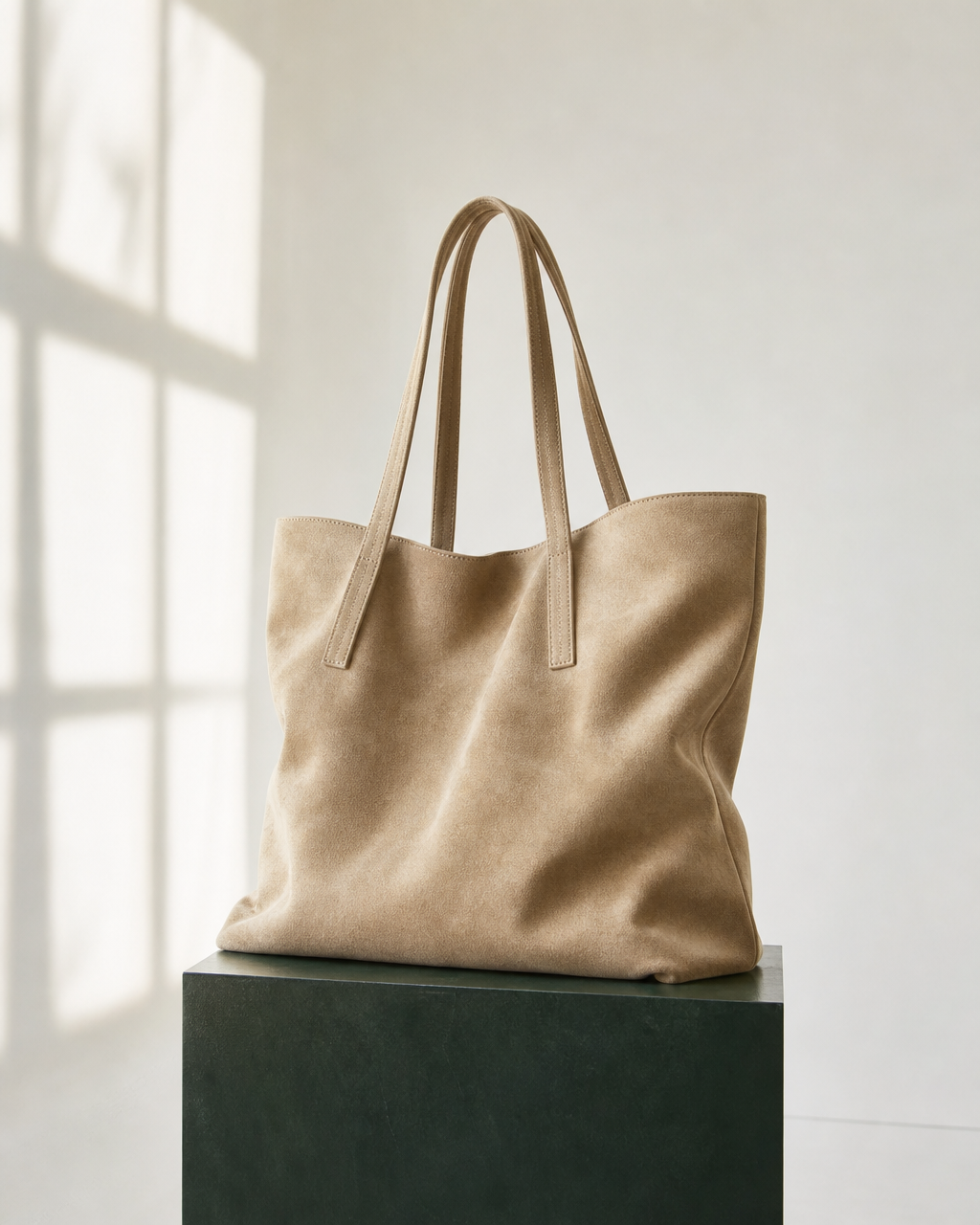
Buyer-focused handbag development
Tote and shopper collection planning for apparel, boutique and lifestyle brands.
Commercial starting point
Tote Bags For Apparel Brands should begin with collection role, practical size ladder, material character, carry details and seasonal colors. That commercial frame gives suitable production resources enough information to evaluate feasibility for apparel and lifestyle brands adding a commercially useful tote or shopper range.
The main planning risk is that a tote can look generic unless proportion, handle treatment and surface direction connect it to the clothing brand. Bloomery therefore separates essential product decisions from optional variation before sampling begins.
Decision framework
Use a controlled sequence to turn apparel-linked tote range into a brief that can be quoted, sampled and approved.
Confirm who the product is for, where it will be sold and how apparel-linked tote range supports the range.
Separate non-negotiable requirements from optional colors, finishes and components so the first quotation remains comparable.
Use a chosen hero proportion, material standard, color plan and approved branding placement to replace subjective feedback with decisions a production team can follow.
Confirm quantities, destination, inspection scope and timing only after the approved standard and open issues are recorded.
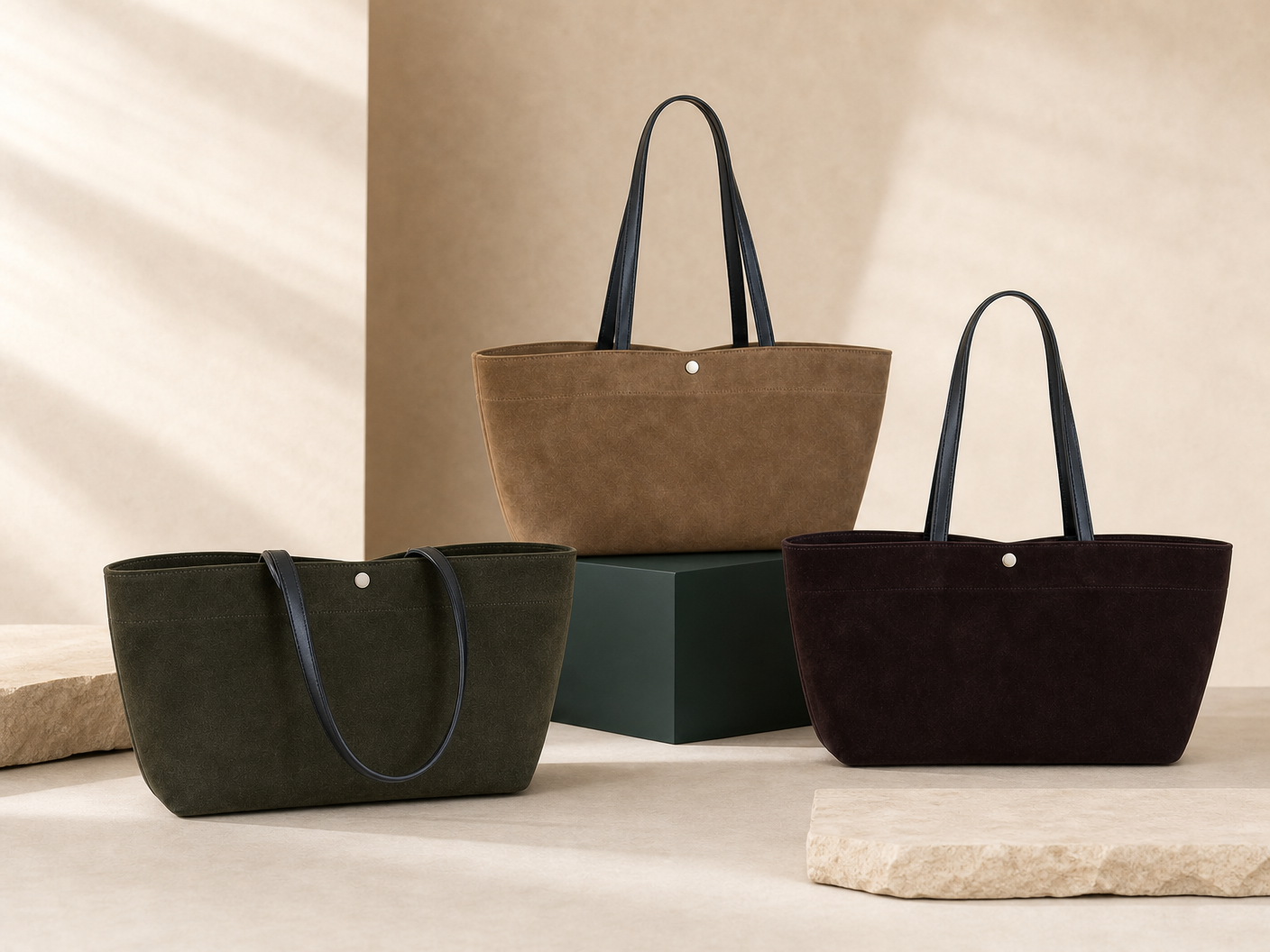
Approval evidence
A useful approval is more than a visual “looks good.” It records the measurements, materials, construction, function and finish that the next sample or production stage must reproduce.
For this route, the working reference should include a chosen hero proportion, material standard, color plan and approved branding placement. Any approved change should update the written record so cost, timing and quality expectations remain aligned.
Catalog evidence
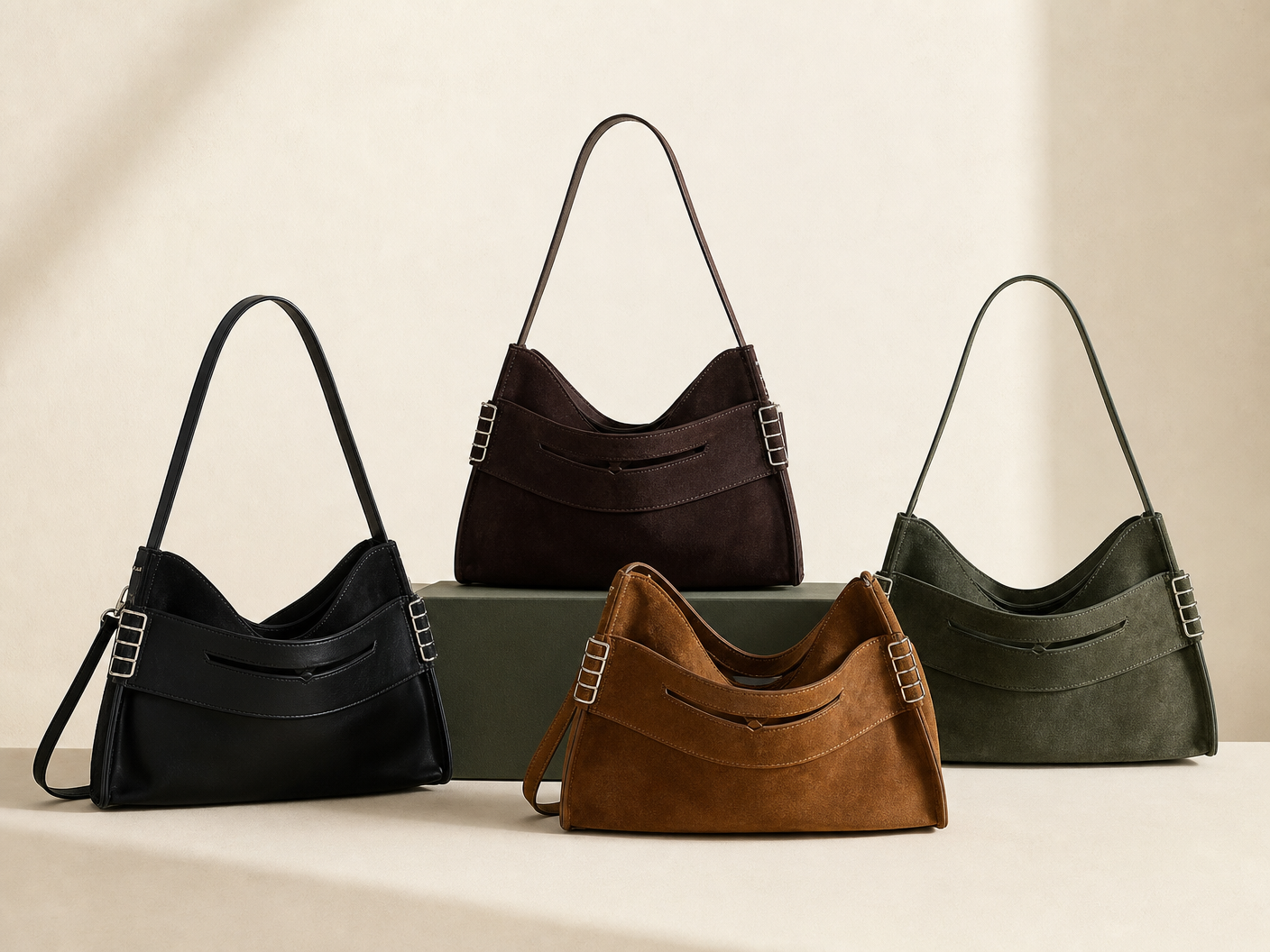
Use these compact references to compare proportion, construction and carry details. They are starting points rather than fixed specifications; material, color, branding and commercial parameters remain project-specific.
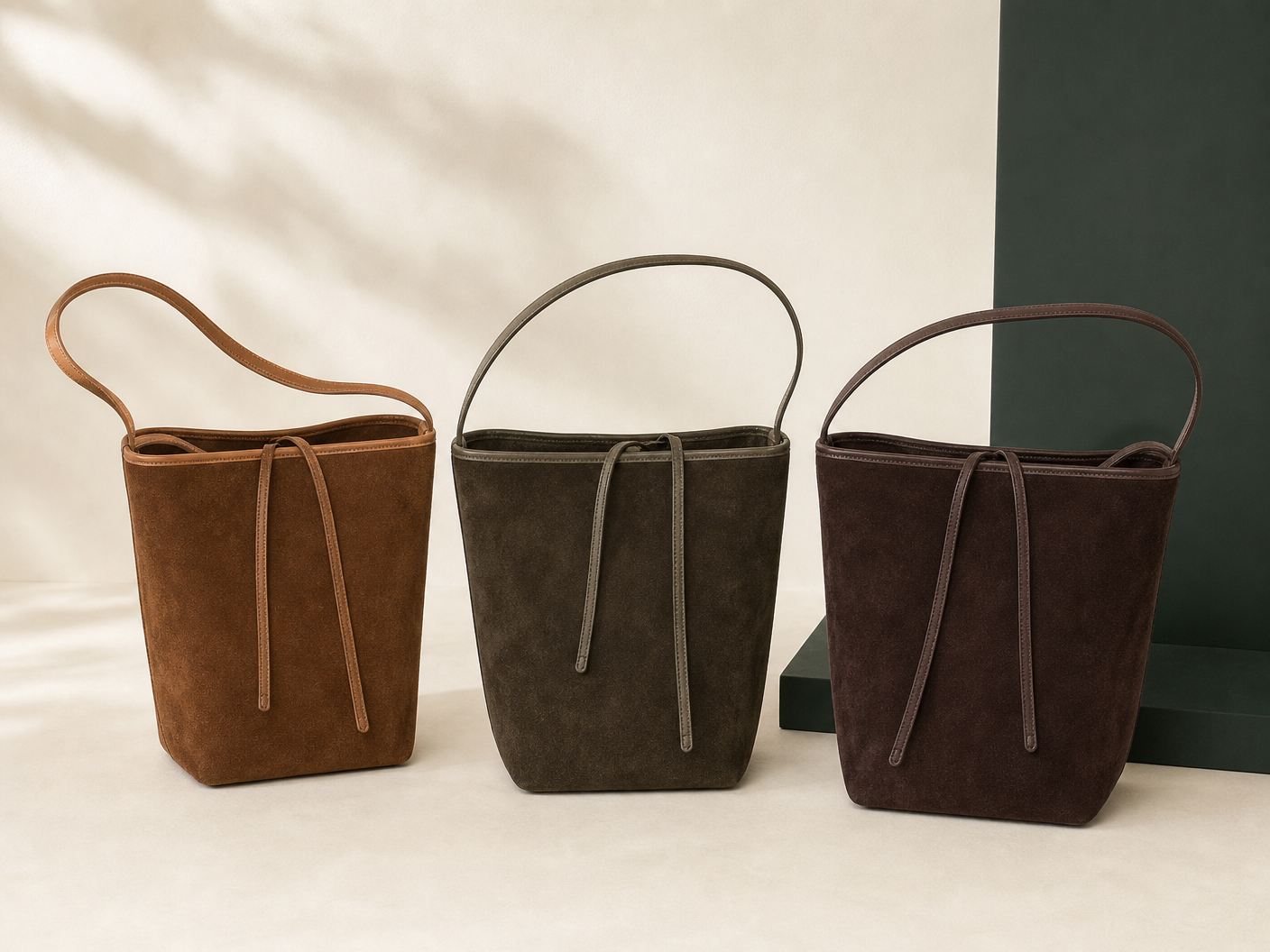 View details
 BLOOM-201
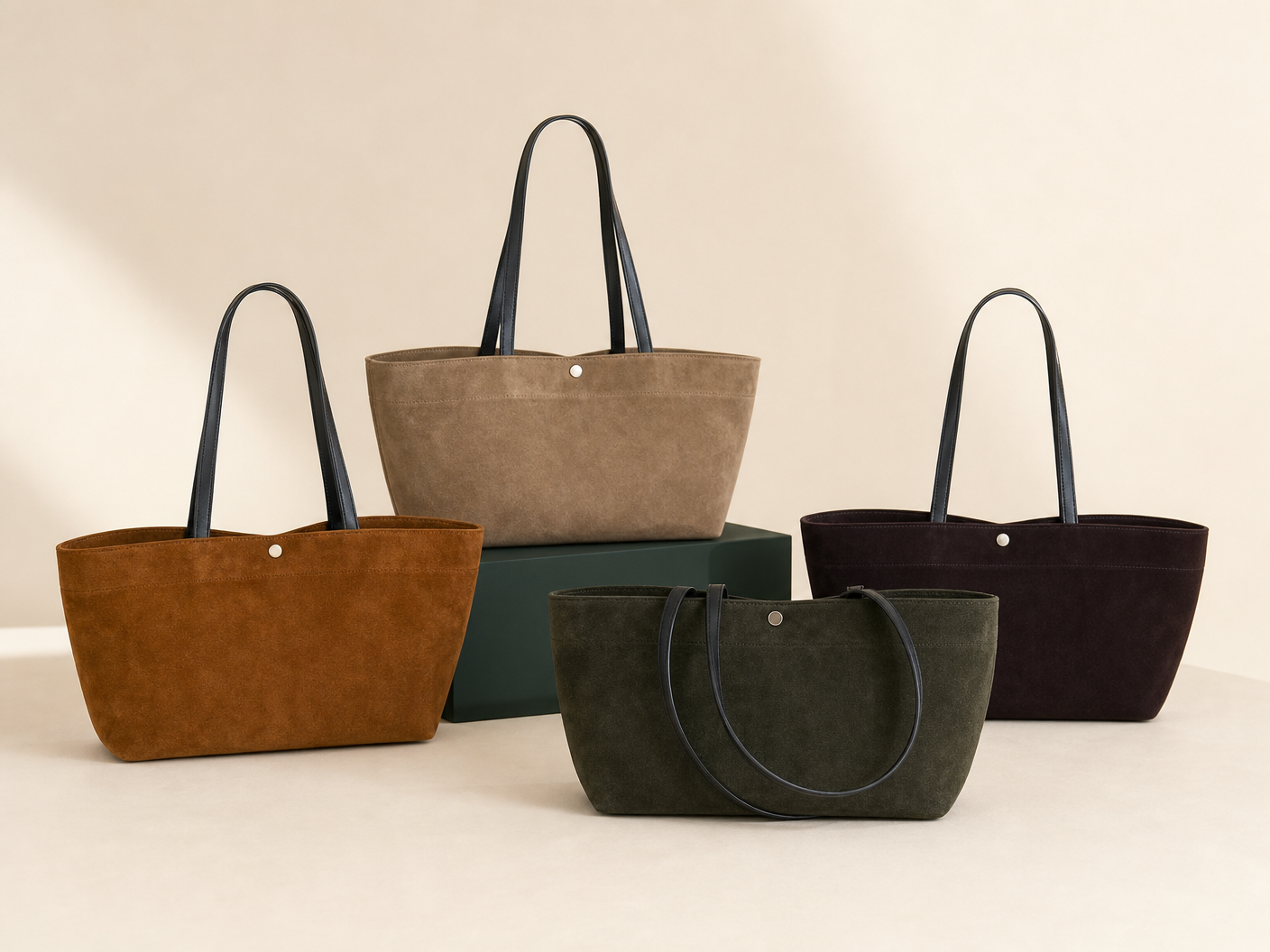 View details
 BLOOM-202
 View details
 BLOOM-203
Quotation-ready brief
A useful enquiry lets the development team identify conflicts early and return specific feasibility questions instead of a generic price range.
Describe the buyer, selling channel and reference styles so the team can judge whether the proposed direction fits apparel and lifestyle brands adding a commercially useful tote or shopper range.
State the choices that materially affect collection role, practical size ladder, material character, carry details and seasonal colors, including any required dimensions, materials, colors, hardware or brand applications.
Separate must-have requirements from optional variation. This matters because a tote can look generic unless proportion, handle treatment and surface direction connect it to the clothing brand. It also keeps the first feasibility review comparable.
Add quantity by style and color, destination, target timing and the evidence needed for approval—ideally a chosen hero proportion, material standard, color plan and approved branding placement.
Buyer questions
These answers define the planning boundary before a project-specific feasibility review.
Translate selected apparel cues into material hand feel, color, seam direction, handle treatment or branding. The tote should support the collection story while remaining practical beyond a single outfit.
Define the job of each size first, such as compact daily carry, work or shopper capacity. Then set dimensions, handle drop and interior features for those jobs instead of creating arbitrary small, medium and large labels.
Focus on proportion and one or two distinctive construction or surface decisions that remain visible in use. Adding many unrelated trims usually weakens the connection to the apparel identity.
Separate long-life neutrals from collection-specific tones, then check every color against the chosen material and hardware finish. A color plan should also show which combinations are intended for replenishment.
Specify labels, hangtags, folding or stuffing, protective packing and any barcode placement. Presentation choices need approval because they affect shape retention, artwork and the final packing sequence.
Start a conversation
Send apparel collection story and customer, intended tote role and size range, material, color and handle direction, retail price position and launch timing. Bloomery will organize the next feasibility and approval questions without presenting project-specific parameters as universal promises.
We use only necessary browser storage to remember privacy preferences and support core site functions.